
guru granth sahib pdf in english
Article Plan: Guru Granth Sahib PDF in English
This article details accessing English translations of the Guru Granth Sahib as PDFs, covering historical attempts, available resources like Internet Archive, and translation nuances․
The Guru Granth Sahib is Sikhism’s central religious scripture, compiled between 1504 and 1604․ Digitized PDFs enable wider access to its teachings in English․
What is the Guru Granth Sahib?
The Guru Granth Sahib is the sacred central scripture of Sikhism, regarded by Sikhs as the final, sovereign, and eternal living Guru․ It’s a voluminous text of 1,430 pages, comprising hymns (shabads) composed by Sikh Gurus, as well as notable Hindu and Muslim saints․ These hymns are arranged by raga (musical measure) and cover a wide range of theological and philosophical themes․
The compilation process spanned decades, culminating under the direction of Guru Arjan Dev Ji․ The availability of Guru Granth Sahib PDFs in English allows individuals globally to engage with this profound spiritual literature, overcoming language barriers and fostering deeper understanding of Sikh beliefs․
Significance in Sikhism
The Guru Granth Sahib holds paramount significance for Sikhs, considered not merely a book, but the living embodiment of the Guru’s teachings and presence․ It’s the ultimate spiritual authority and guide, offering a path to enlightenment and union with the Divine․ Sikhs demonstrate deep reverence, treating the Granth Sahib with utmost respect – always installed on a raised platform and attended by dedicated caretakers․
Accessing English PDFs of the Guru Granth Sahib broadens this spiritual accessibility, enabling a wider audience to explore its wisdom and understand the core tenets of Sikh faith, fostering interfaith dialogue and personal growth․
The Concept of a Living Guru
Following the ten human Gurus, Sikhs believe the Guru Granth Sahib became the eternal, living Guru, embodying the divine wisdom and guidance needed for spiritual progress․ This isn’t simply a collection of writings; it’s considered a dynamic presence capable of imparting knowledge and blessings to sincere seekers․
PDF versions in English allow individuals globally to connect with this living Guru, experiencing its teachings directly․ This digital access doesn’t diminish the reverence, but rather expands the opportunity for contemplation and understanding of Sikh principles․
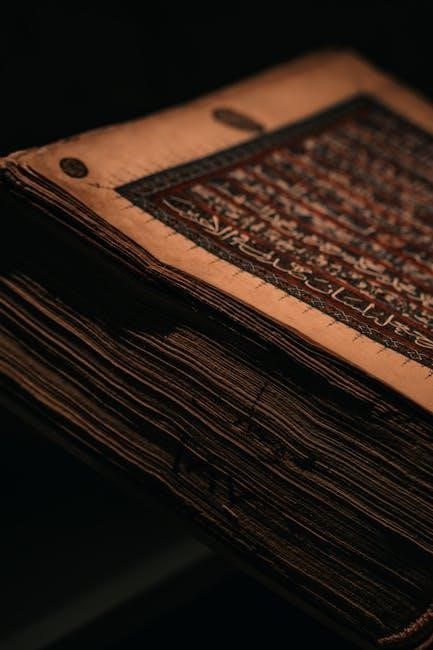
History of English Translations
Early efforts to translate the Guru Granth Sahib began in the 19th century, with significant, yet often controversial, work by figures like Ernest Trumpp․
Early Translation Attempts (19th Century)
The 19th century witnessed the initial, pioneering attempts to render the Guru Granth Sahib into English․ These early translations were often undertaken by colonial administrators or missionaries, lacking deep understanding of Sikh theology and Punjabi linguistic nuances․ Consequently, they frequently faced criticism for inaccuracies and misinterpretations․ One prominent, yet contentious, figure was Ernest Trumpp, whose translation, while extensive, was heavily criticized by the Sikh community for its perceived biases and flawed rendering of Gurbani․
These initial efforts, despite their shortcomings, laid the groundwork for future, more accurate and nuanced translations, sparking debate and highlighting the complexities inherent in translating sacred texts․
Ernest Trumpp’s Translation and its Controversies
Ernest Trumpp’s translation of the Guru Granth Sahib, completed in the late 19th century, remains a focal point of controversy․ While lauded for its comprehensiveness, it drew significant ire from the Sikh community due to perceived inaccuracies and a biased interpretation of Gurbani․ Critics argued Trumpp’s work reflected a colonial mindset, misrepresenting core Sikh beliefs and theological concepts․
The translation was accused of deliberately distorting the text to align with Christian doctrines, fueling distrust and prompting calls for more faithful and culturally sensitive renderings․ Despite its flaws, Trumpp’s work served as a starting point for subsequent translations․
20th and 21st Century Translation Efforts
The 20th and 21st centuries witnessed a surge in Guru Granth Sahib English translations, aiming for greater accuracy and sensitivity․ Scholars like Sant Singh Khalsa, Manmohan Singh, Gurbachan Singh Talib, and Darshan Singh dedicated years to producing comprehensive versions․ These translations often prioritized conveying the poetic and spiritual essence of the Gurbani, alongside literal meaning․
Digitalization further accelerated access, with PDFs becoming readily available through platforms like the Internet Archive․ Ongoing projects continue to refine translations, leveraging technology and collaborative efforts to address the complexities of Gurbani․

Available English Translations ─ A Comprehensive Overview
Numerous English translations exist, including those by Sant Singh Khalsa, Manmohan Singh, Gurbachan Singh Talib, Darshan Singh, Gopal Singh, and Kartar Singh Duggal, often available as PDFs․
Sant Singh Khalsa’s Translation
Sant Singh Khalsa’s translation, readily accessible via the Internet Archive, is a comprehensive effort offering a complete English rendering of the Guru Granth Sahib․ This version, totaling 1․2GB in size, presents the Sikh Bani in an easily digestible format for English speakers․ It’s noted for its detailed approach and attempts to convey the spiritual depth of the original Gurbani․
The translation aims to provide a clear understanding of the text, focusing on the core message of oneness with the Creator God․ Khalsa’s work is frequently utilized by students and practitioners seeking to engage with the Guru Granth Sahib in English, making it a popular choice for study and contemplation․
Manmohan Singh’s Translation
Manmohan Singh’s translation of the Guru Granth Sahib is another widely available resource, found within the extensive collection of English translations hosted on the Internet Archive․ Often referenced alongside other prominent translations, Singh’s work contributes to the broader accessibility of Sikh scripture for those unfamiliar with Gurmukhi or Punjabi;
Details regarding the specific characteristics and interpretive choices within Singh’s translation are less prominently highlighted in available summaries, but its presence on the Internet Archive signifies its importance within the landscape of English Gurbani resources․ It remains a valuable option for readers exploring different perspectives․
Gurbachan Singh Talib’s Translation
Gurbachan Singh Talib’s translation of the Guru Granth Sahib is readily accessible as a PDF through the Internet Archive, forming part of the comprehensive collection of English renderings of the Sikh holy text․ Like other translations available online, Talib’s work aims to bridge the linguistic gap, offering Gurbani’s wisdom to a wider English-speaking audience․
While specific details regarding Talib’s interpretive approach aren’t extensively detailed in readily available summaries, its inclusion within the Internet Archive’s resources underscores its significance․ It provides another avenue for individuals to engage with the Guru Granth Sahib in English․
Darshan Singh’s Translation
Darshan Singh’s translation of the Guru Granth Sahib is another valuable resource available in PDF format via the Internet Archive, contributing to the growing accessibility of Sikh scriptures in English․ This translation, alongside others like those by Sant Singh Khalsa and Manmohan Singh, offers diverse perspectives on interpreting Gurbani for English readers․
Details concerning Darshan Singh’s specific translation philosophy or unique interpretive choices are not prominently featured in brief overviews․ However, its presence on the Internet Archive confirms its role in making the Guru Granth Sahib’s teachings available to a broader audience․
Gopal Singh’s Translation
Gopal Singh’s translation of the Guru Granth Sahib represents another significant effort to render the sacred text accessible to English-speaking audiences, and is available as a PDF through resources like the Internet Archive․ Like other translations – those of Sant Singh Khalsa, Manmohan Singh, and others – it aims to convey the spiritual depth and poetic beauty of the original Gurbani․
Specific details regarding Gopal Singh’s interpretive approach or unique features of his translation aren’t readily available in concise summaries, but its inclusion in the archive demonstrates its contribution to the field․
Kartar Singh Duggal’s Translation
Kartar Singh Duggal’s translation of the Guru Granth Sahib, often referenced alongside the work of Makin and others, is also available in PDF format via the Internet Archive․ The online resources indicate a multi-volume set, contributing to the growing collection of English interpretations of the Sikh holy scripture․
Like other translators, Duggal sought to bridge the linguistic and cultural gap, making the Gurbani accessible to a wider audience․ Details regarding his specific translation philosophy or unique stylistic choices require further investigation, but its presence in digital archives confirms its importance․

Accessing Guru Granth Sahib PDFs in English
Numerous online platforms offer Guru Granth Sahib PDFs, including the Internet Archive, DiscoverSikhism․com, and Khojgurbani․org, providing varied access to translations․
Internet Archive Resources
The Internet Archive serves as a vast digital library, hosting multiple complete English translations of the Sri Guru Granth Sahib․ Users can freely download, borrow, and stream these resources․ Translations by Sant Singh Khalsa, Manmohan Singh, Gurbachan Singh Talib, Ernest Trumpp, Darshan Singh, Gopal Singh, and Kartar Singh Duggal are readily available in PDF format․
The archive notes that some volumes are still missing – specifically, those from khojgurbani․org and a four-volume set by Chalal – but promises updates as scans become available․ This platform provides comprehensive access, making the sacred text accessible to a global audience seeking English interpretations․
DiscoverSikhism․com Resources
DiscoverSikhism․com offers a unique resource: a line-by-line translation of the Sri Guru Granth Sahib, presented alongside the Devanagari script and English translation․ This detailed approach allows for a deeper understanding of the original Gurbani and its interpretations․ The resource is available on the Internet Archive for free download, borrowing, and streaming, providing convenient access to this valuable tool․
This format is particularly helpful for students and researchers seeking a precise and comprehensive understanding of the text, bridging the gap between the Gurmukhi script and English comprehension․
Khojgurbani․org (Partial Availability)
Khojgurbani․org provides a partial availability of the Guru Granth Sahib in English PDF format․ Currently, not all volumes are scanned and accessible on the platform․ Specifically, two volumes are missing – those from khojgurbani․org and a four-volume set by Chalal – which haven’t yet been digitized and uploaded as PDFs․
The website is continually updated as more scanned copies become available, promising a more complete resource in the future․ Users should check back periodically for updates and expanded access to the translated text․

Key Features of Different Translations
Translations vary significantly, offering line-by-line accuracy or paraphrased versions, some including Devanagari script, and differing in interpretation and terminology․
Line-by-Line Translations vs․ Paraphrased Versions
The core difference in Guru Granth Sahib English translations lies in their approach to rendering the Gurbani․ Line-by-line translations, like those by Sant Singh Khalsa, meticulously translate each word and phrase, aiming for maximum fidelity to the original Gurmukhi text․ This method preserves the poetic structure but can sometimes feel less fluid to modern readers․
Conversely, paraphrased versions prioritize readability and comprehension, offering a more natural English flow․ However, this approach inevitably involves interpretation, potentially losing nuances of the original meaning․ DiscoverSikhism․com provides a line-by-line translation alongside Devanagari script, catering to those seeking detailed accuracy․ The choice depends on the reader’s preference – scholarly precision or accessible understanding․
Inclusion of Devanagari Script
Many English translations of the Guru Granth Sahib also incorporate the Devanagari script, offering a valuable resource for students of Sikhism and those familiar with related Indic languages․ This inclusion aids in understanding the phonetic pronunciation of the Gurbani, as Devanagari closely represents the sounds of the Gurmukhi script․
DiscoverSikhism․com notably features a line-by-line translation accompanied by the Devanagari transliteration, enhancing the learning experience․ While not all translations include it, the presence of Devanagari allows for cross-referencing and deeper engagement with the original text, bridging the gap between languages and fostering a more comprehensive understanding of the sacred verses․
Variations in Interpretation and Terminology
English translations of the Guru Granth Sahib exhibit noticeable variations in interpretation and terminology, stemming from differing theological perspectives and linguistic choices of the translators․ Concepts central to Sikhism, like ‘Nam,’ ‘Kirat,’ and ‘Dharma,’ are rendered in diverse ways, impacting the reader’s understanding․
Sant Singh Khalsa’s translation, for example, may employ specific phrasing, while Manmohan Singh’s offers a different nuance․ These differences aren’t necessarily errors, but reflect the inherent complexities of translating a deeply spiritual text․ Careful comparison across multiple translations is crucial for a holistic grasp of the Gurbani’s meaning․
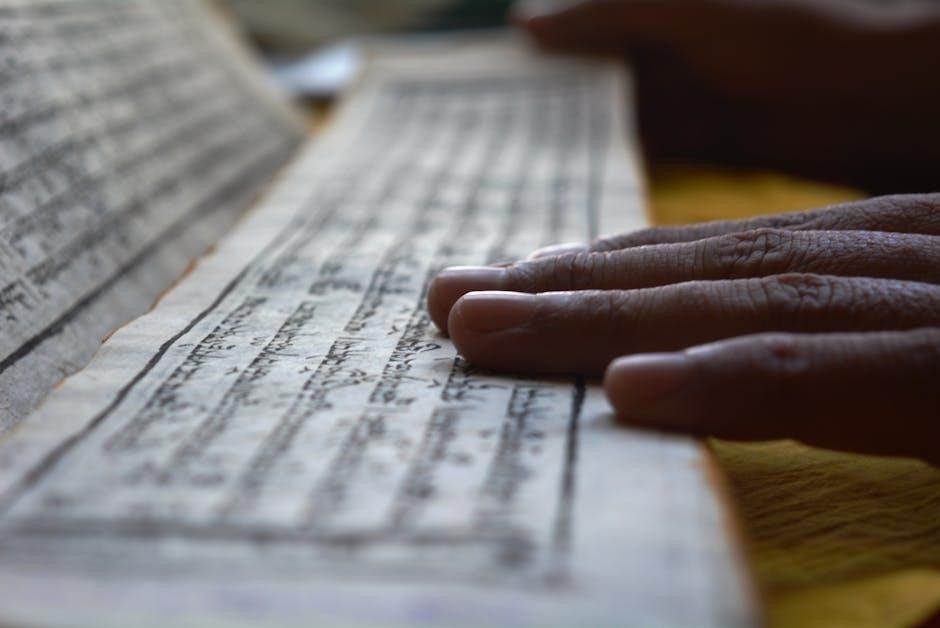
Understanding the Mool Mantra in English
The Mool Mantra, Sikhism’s foundational prayer, describes God’s nature․ English interpretations vary, yet convey the divine as eternal, creator, and without fear or hatred․
The Importance of the Mool Mantra
The Mool Mantra holds paramount significance within Sikhism, serving as the foundational statement of belief and the very essence of the Guru Granth Sahib’s teachings․ It encapsulates the core principles of monotheism, emphasizing the existence of one universal creator God․ This mantra isn’t merely a verse; it’s a declaration of truth, a guide for righteous living, and a pathway to spiritual liberation․
Its recitation is considered deeply sacred, connecting the devotee directly to the divine․ Understanding its meaning, through English translations found in various PDFs, allows a broader audience to grasp the profound philosophical and spiritual concepts embedded within this concise yet powerful expression of faith․ It defines God’s attributes – timeless, self-existent, and beyond human comprehension․
Different English Interpretations of the Mool Mantra
Numerous English translations of the Mool Mantra exist within the accessible Guru Granth Sahib PDFs, each reflecting the translator’s understanding and linguistic approach․ Sant Singh Khalsa’s version emphasizes a direct, literal rendering, while Manmohan Singh’s aims for a more poetic and accessible phrasing․ These variations aren’t contradictions, but rather different facets of a multifaceted truth․
The nuances lie in interpreting key terms and conveying the spiritual depth of the original Gurmukhi․ Some translations prioritize accuracy, while others focus on conveying the emotional resonance․ Exploring these diverse interpretations, readily available online, enriches one’s comprehension of this central tenet of Sikh faith and its profound message․
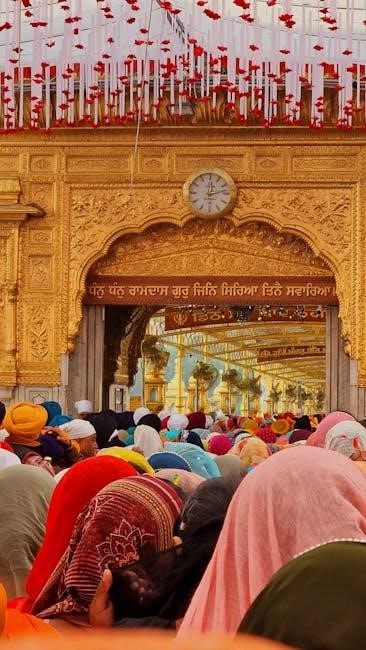
Challenges in Translating Gurbani
Translating Gurbani presents difficulties due to its poetic language, cultural context, and the need to preserve its spiritual essence within English interpretations․
Poetic and Metaphorical Language
The Guru Granth Sahib’s verses are rich in poetic devices and metaphors, posing a significant challenge for translators․ Direct, literal translations often fail to capture the depth and beauty of the original Gurbani․ Translators must navigate complex symbolism and imagery, striving to convey not just the denotative meaning, but also the connotative and emotional resonance embedded within the text․
Maintaining the artistic quality of the verses while ensuring accurate comprehension requires immense skill and sensitivity․ The nuanced use of language necessitates careful consideration of each word’s multiple layers of meaning, making a simple word-for-word translation inadequate․ It’s a delicate balance between fidelity to the original and accessibility for English-speaking readers․

Cultural and Historical Context
Understanding the cultural and historical backdrop of the Guru Granth Sahib is crucial for accurate translation․ The Gurbani reflects the socio-political and religious landscape of 15th-17th century India, filled with specific references and allusions that may be lost on modern readers unfamiliar with that context․ Translators must possess a deep understanding of Sikh history, philosophy, and the prevailing cultural norms of the time․
Without this contextual awareness, interpretations can be skewed or incomplete․ Terms and concepts carry weight derived from their historical usage, and failing to recognize this can lead to misrepresentation․ Accurate translation demands not just linguistic proficiency, but also a comprehensive grasp of the era in which the Gurbani was composed․

Maintaining the Spiritual Essence
A paramount challenge in translating the Guru Granth Sahib lies in preserving its profound spiritual essence․ Gurbani isn’t merely poetry; it’s considered the living word of God, imbued with divine power․ Literal translations often fall short, failing to convey the emotional depth and transformative potential of the original text․
Translators strive to capture the bhava – the feeling and spiritual resonance – inherent in each verse․ This requires sensitivity, humility, and a deep connection to the Sikh faith․ Simply rendering words into English isn’t enough; the translation must inspire reverence and facilitate a spiritual experience for the reader, mirroring the impact of the Gurmukhi original․

Future of Guru Granth Sahib Translations
Ongoing projects and technological advancements promise improved accessibility, including completing scanned volumes and utilizing AI for more nuanced, spiritually resonant English translations․
Ongoing Projects and Initiatives
Currently, efforts focus on digitizing remaining untranslated portions, specifically referencing missing volumes from resources like Khojgurbani;org and a translation by Chalal․ These initiatives aim to create comprehensive, freely available PDF versions of the entire Guru Granth Sahib in English․
Community-driven projects are also vital, with individuals and organizations collaborating to refine existing translations and address inconsistencies․ The goal is to provide multiple, accessible interpretations catering to diverse understanding levels․
Furthermore, the continued scanning and archiving of physical copies remain crucial for preserving these texts and ensuring their long-term availability to a global audience seeking spiritual guidance․
The Role of Technology in Translation
Optical Character Recognition (OCR) technology is increasingly utilized to convert scanned images of Guru Granth Sahib pages into editable text, facilitating easier translation and proofreading․ Machine translation tools, while not yet capable of nuanced Gurbani interpretation, assist in initial drafts and identifying potential translation challenges․
Digital platforms enable collaborative translation efforts, allowing scholars and enthusiasts worldwide to contribute and review translations in real-time․
PDF accessibility features, such as searchable text and adjustable fonts, enhance the user experience for those accessing the Guru Granth Sahib digitally, promoting wider study and understanding․
Missing Volumes and Scanned Copies
Currently, complete digital collections of English Guru Granth Sahib translations remain elusive․ The Internet Archive notes missing volumes from khojgurbani․org, specifically a four-volume set by Chalal, which haven’t been scanned into PDF format yet․
Efforts are ongoing to locate and digitize these missing texts, relying on community contributions and dedicated scanning projects․
The absence of complete, readily available PDFs hinders comprehensive study, emphasizing the need for continued digitization and preservation of these invaluable religious texts for future generations․